16-Nov-2026Operations
Why Team Conflicts Land on the Founder
When two managers keep sending their fights upward, the problem is rarely the people. It is a decision nobody owns.
Read ArticleThe whole manual in the order it was written. If you would rather start from your problem, use the chapters.
When two managers keep sending their fights upward, the problem is rarely the people. It is a decision nobody owns.
Read Article
A buyer definition and a pain map are different tools. The segment where a problem screams loudest tells you where to aim, not who to accept.
Read Article
Your strategy deck says what you intend. Your calendar says what you actually fund, and your team follows the calendar.
Read Article
The best first job for AI in a small firm is a small, boring task the team repeats every week, where a person can check the answer in a few minutes and a mistake costs nothing. Sorting customer reviews, tidying a lead list and summarising the weekly report all fit.
Read Article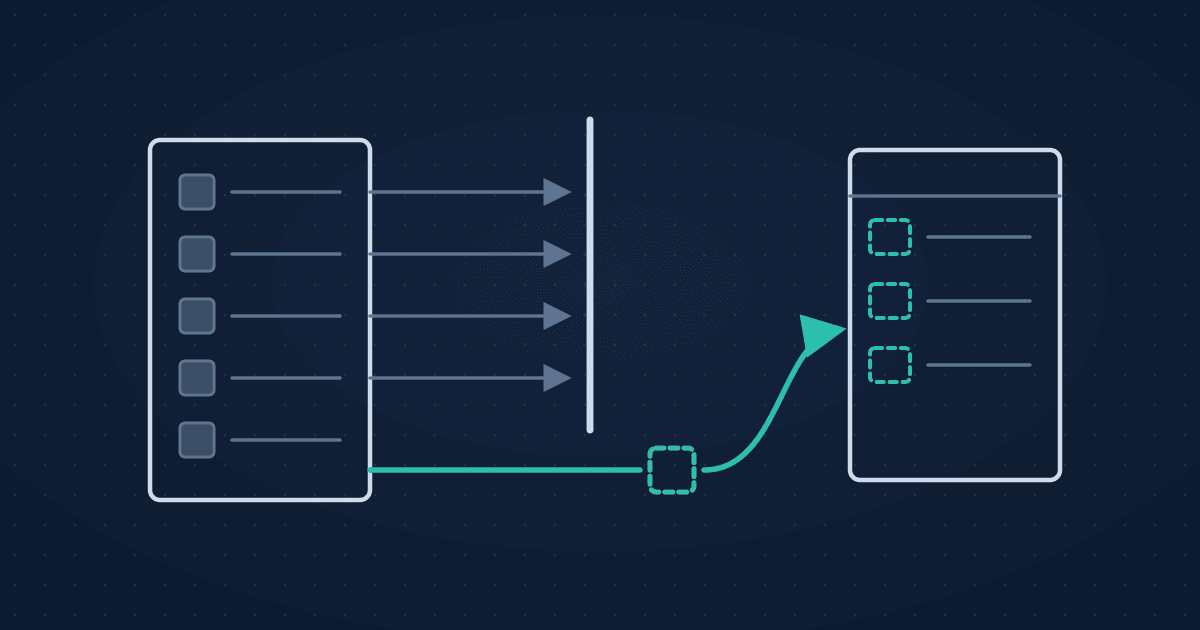
A small firm's staff should never paste five kinds of things into an AI chat tool: customer personal details, salary and bank records, anything a client shared in confidence, passwords and access codes, and notes about a named employee.
Read Article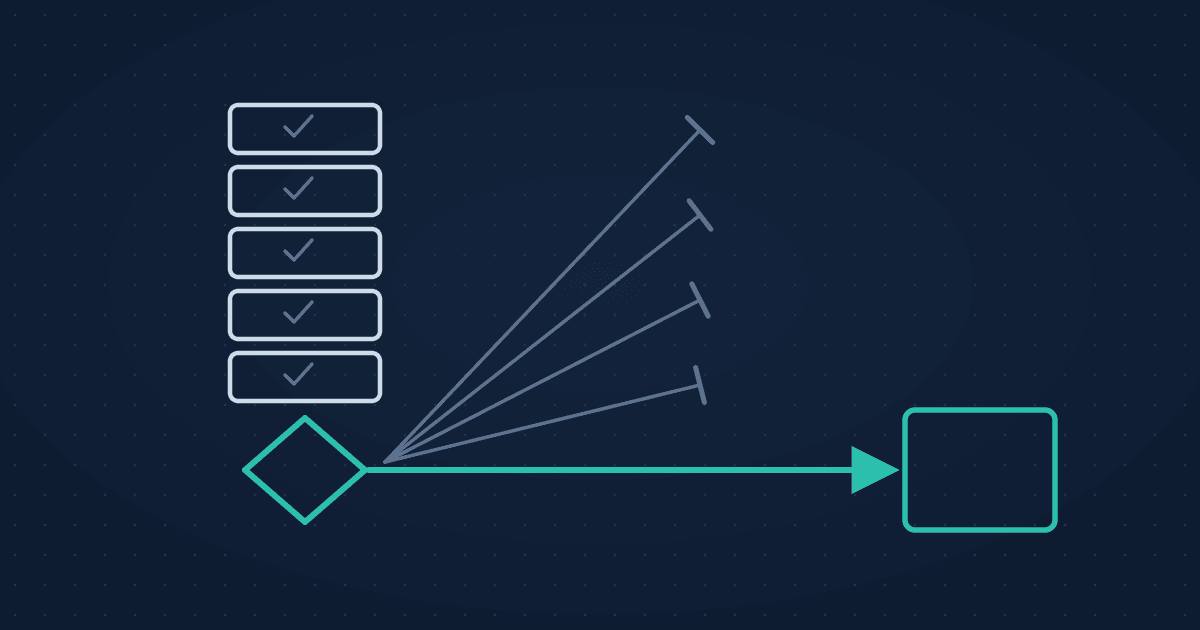
Execution rewards speed and reliability, so you keep doing instead of deciding. The operator to builder transition stalls right here, because doing always feels like progress while a real choice feels like exposure.
Read Article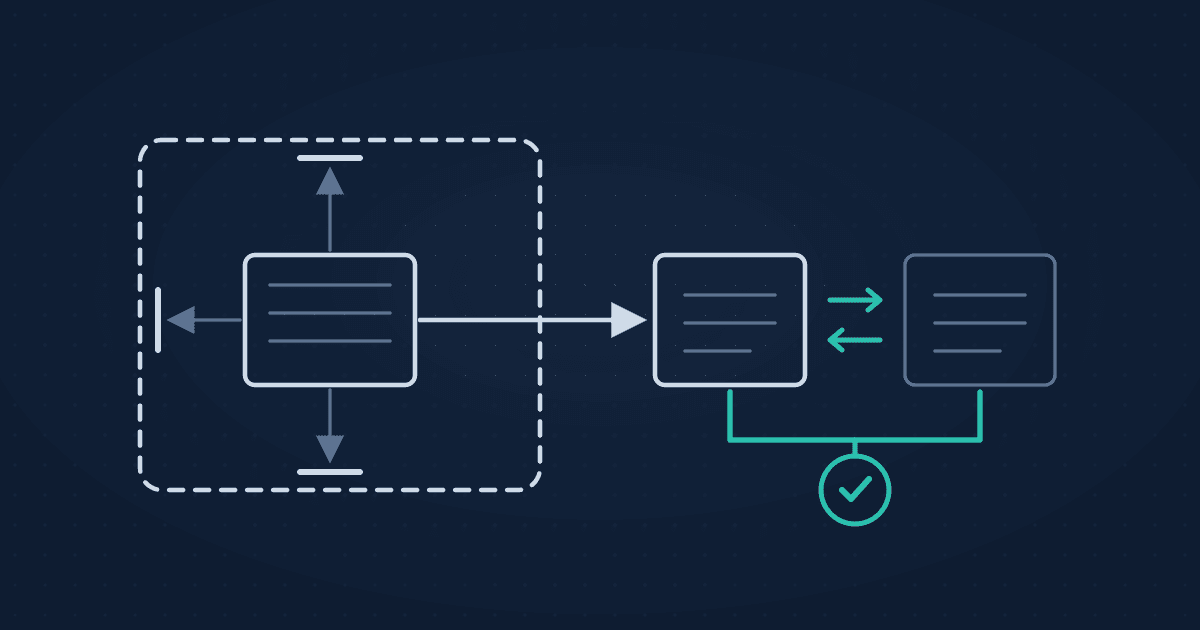
Three steps for an owner who wants to try AI without a data leak: pick one boring job, write what the AI must never do, and have a person check its work.
Read Article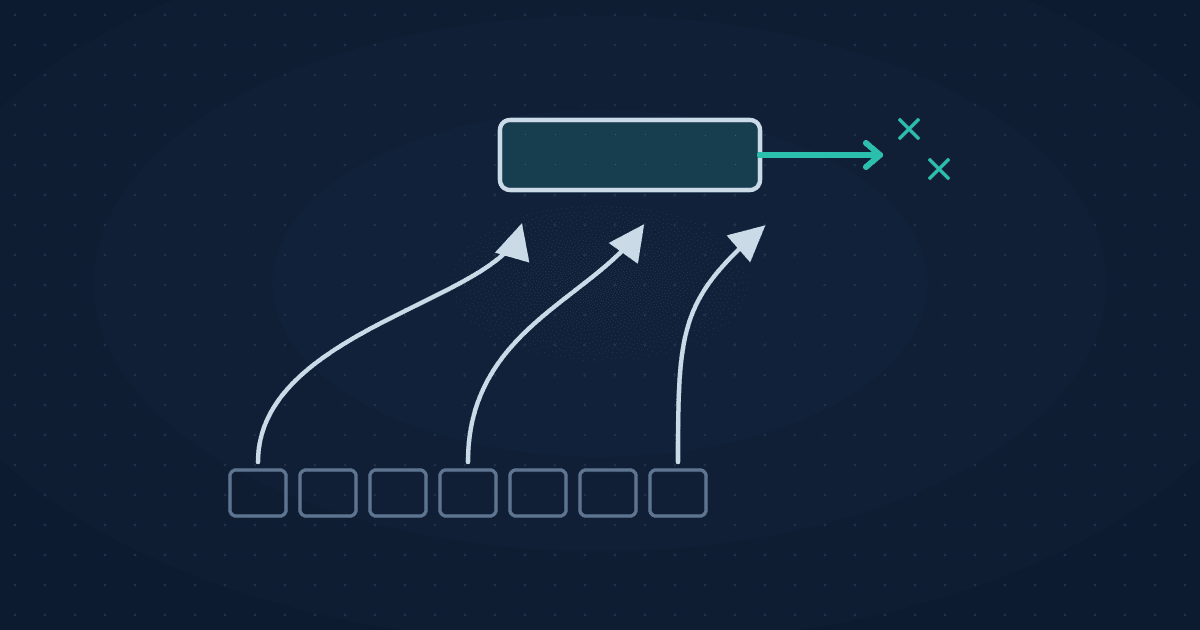
Three good launches in one week can still be a mistake, when nobody ever looked at all three together.
Read Article
Skill at execution takes away the pressure to pick a direction, because someone who can finish anything never has to decide what is worth finishing. For me, the operator to builder transition began when I started asking what I would refuse to run.
Read Article
Two leaders can agree on the same goal and still pull in different directions. The gap is a definition nobody wrote down.
Read Article
Because motivation is a mood and moods move, while a fixed time on your calendar does not.
Read Article
Most handovers die at the first mistake. Usually the person was doing fine; the problem was that nobody had agreed in advance how much was allowed to go wrong.
Read Article
A buyer definition and a pain map do different jobs. The segment where a problem hurts most tells a consultant where to aim, and says nothing about whom to accept. Anyone asking who needs an operating system consultant should answer by the problem in front of them, never by the size band where that problem is most common.
Read Article
A second business rarely fails for lack of strategy. It fails because it only ever gets the founder's leftover hours, after the first business has taken everything it asked for.
Read Article
You don't know your automation did what it says until you check the checker. A report a system prints about its own work stays a claim until something that gains nothing from a pass has verified it. That's the quiet cost of moving from operator to builder: the founder stops inspecting the work and starts inspecting the report.
Read Article
The person a founder owes the most may be sitting in a seat the company has outgrown. Avoiding that conversation has a daily cost in speed, talent and honesty, and the founder is the one who ends up paying it.
Read Article
Yes, and it happens most to people who build their own systems. A tracker only knows what it was told, not what changed elsewhere. Somewhere in the operator to builder transition you learn to check the work against reality before you trust the record that describes it.
Read Article
Years of running operations in large businesses left me with one map instead of a pile of industry knowledge. Every business runs on the same seven parts, and the skill is knowing which part to distrust first.
Read Article
The first version of every AI worker I built could act. The version I trust can refuse. Writing the do-not list took me longer than writing the abilities, because a worker that can't refuse is simply running without supervision.
Read Article
Founders have stopped asking what my AI system can do. They ask what it refuses to do without them, and whether it says so when it's unsure. Almost every tool can do a lot now, so what founders want to buy is a system whose behaviour they can predict.
Read Article
I don't keep a file of what my business does well. I keep a file of every place it rubbed, and that's the file I open first each morning. Wins tell me what to protect, and friction tells me what to build next. #CompanyOfOne #OperatingModel #OperatorToBuilder
Read Article
I spent eight months fixing every problem by adding another AI agent. Then I deleted half of them in one weekend, and the system got better. Adding workers had been hiding a design problem, and removing them made me fix it.
Read Article
Last week my automated system built a full report out of no data and reported success. One wrong character in a folder name led to an empty fetch, a confident wrong file and zero errors. Automation keeps the judgment in the work; it moves it to the moments nobody designed.
Read Article
One of my systems went silent for two days without anything breaking. Two jobs were reading from the same Telegram bot, which lets only one reader in at a time. The new job took the stream, and the old one kept looking healthy while it heard nothing. The risk sat in the part they shared, which nobody owned.
Read Article
My best automation does nothing most weeks. It reads one number, finds it healthy and shuts itself down without sending me anything. Building something that stays silent on purpose was harder than building the part that runs, because I had to define exactly what healthy means.
Read Article
I built my AI agents so they're allowed to make mistakes, and I did it on purpose. A mistake I can reverse, sitting behind a person's approval, costs me almost nothing. A perfect system I never ship costs me something every day, because shipping speed compounds and polish doesn't.
Read Article
My AI operating system runs nine subsystems, and its rulebook is capped at ten pages. Every new rule has to beat an old one to get in. Adding rules never gave me more control; ranking them did.
Read Article
I wrote a rule so my agents would stop skipping a step, and they stopped skipping it. They started waiting instead, so the fix worked and the system got slower. The skipping was a loud failure I could see. The waiting was a quiet one, and I think the quiet one is worse.
Read Article
Tools execute steps, while an operating system owns the loops around them. This piece explains why counting automations tells a founder nothing, and what an installed operating spine changes.
Read Article
The trust problem in agentic AI is about provenance more than capability: can the system show where each action came from, and can the business undo it? This piece explains why decision trails and rollback proof decide whether a business can run on agents.
Read Article
Deliverables are the wrong measure of operating work. The honest measure for a founder is the number of operating hours freed each week, and this piece shows how to count them from two months of calendar.
Read Article
When decisions have no designed path upward, they land on the founder. The team usually has the ability; what's missing is a written layer that says who approves what and up to what limit, and the first version takes an afternoon to build.
Read Article
I don't fix a problem the first time it happens, because one occurrence can't tell me whether I'm looking at a pattern or a bad day. I log it the first time, investigate the second time and build the fix only on the third.
Read Article
No agent in my AI setup goes live on day one. Each one earns its freedom through clean dry runs, full visibility into what it did, and a watchdog that is already watching before it acts. The model is rarely the weak link; the missing gate usually is.
Read Article
I don't have a team. I have a system, and three businesses run on it. For years I thought growth meant more people, until I saw that most roles I'd hire for were a decision, a rule and a handoff. So I stopped hiring people to carry those rules and wrote the rules down instead.
Read Article
Most solo operators back up their files and stop there. What usually ends a one-person operation is losing the way back into an account, for example when one phone holds both the login and the recovery number. I audited my own stack for that and found two gaps.
Read Article
A price cut wins the deal by agreeing that the value was never really there. When a client pushes back on price, the firm should move the scope and keep the number. #PricingStrategy #FounderOps #B2B
Read Article
A verbal yes becomes a term only when someone writes it down. When a buyer says "Noted", all it confirms is that the buyer heard. A business that books its quarter on remembered conversations is forecasting on hope, and the bank can see that even when the founder can't.
Read Article
A 307 and a 308 redirect land a visitor on exactly the same page, yet every machine reading the site takes them to mean opposite things. This piece covers the layer most site owners never test, and why ignoring it is getting more expensive.
Read Article
Checking the bank balance every morning feels like cash management, but it's mostly anxiety with a login. A business runs out of foresight long before it runs out of money. The fix is a 13-week forward view of every inflow and outflow, and another dashboard won't give the founder that.
Read Article
The MBA taught me to name problems. A Rs.400 Cr factory taught me to feel them before they had a name. The degree made me articulate, and the years on the floor are what made me right.
Read Article
Most founder-led businesses mistake a good dashboard for governance. A dashboard shows the number; governance gives each number an owner, a threshold, a deadline and the right to act. This piece sets out what that looks like.
Read Article
A Rs.55 Cr manufacturer's founder was signing off 40 or more decisions a week. Eleven weeks of work on who decides what brought that down to 11. This is the real case, with the numbers the business recorded.
Read Article
Founders mistake control for clarity, and then wonder why their Rs.50 Cr company moves like a Rs.5 Cr one. Speed comes from the structure of the company, and in 2026 investors are paying close attention to it.
Read Article
Founders and leaders often restructure when they can't name the actual problem. People get new titles, and the same decisions still escalate to the same founder. Moving reporting lines doesn't define who decides what, so the friction survives every new org chart.
Read Article
Many founders who think they have a hiring problem actually have a design problem in how the business is run. Telling the two apart late can cost Rs. 40L to Rs. 80L in senior hires that don't work out before anyone names the real cause.
Read Article
Progress reports often hide a failure to execute. Many founders are running a business that reports very well and delivers far less than the reports suggest. This piece shows how to tell the two apart and what to change in the review.
Read Article
Meetings multiply for one reason: decisions aren't getting made unless the founder is in the room. The cause is usually unclear ownership rather than missing trust, because the team doesn't know who decides what.
Read Article
A company that grows faster than its processes can carry is borrowing execution capacity from its own future. Growth that lasts rests on operational depth: written decision rights, a steady execution rhythm and reviews that trigger action.
Read Article
Revenue growth rarely breaks a company; weak operating systems do. When the structure doesn't grow along with revenue, the founder becomes the system, and the business gets more fragile with every new order.
Read Article
Decision fragmentation stays invisible until it causes real damage. The fix is one named owner for each recurring decision, because that's the structure that keeps working as a business scales.
Read Article
The founder approval trap is why growing businesses stall at execution. Decisions keep flowing up to the founder because nobody below has a written limit they can act inside.
Read Article
When revenue grows faster than the structure carrying it, the business gets harder to run. Fix how the company is built, and execution follows.
Read Article
AI makes output nearly free, so counts of emails, reports and tasks rise fast while results stay put. How a small firm sets one outcome number before it switches an AI tool on.
Read Article
When a team's output stays flat after new tools or new hires, the slowdown usually sits in a queue somewhere else. How a small firm finds that queue before it picks its first AI use.
Read Article
If a company's structure doesn't change as it grows, the organisation keeps relying on a few people working heroically hard. That works for a while, and then the same people burn out.
Read Article
Every postponed decision builds up a cost nobody tracks. The clearest case in a small firm today is the AI decision: while the owner waits, the team picks its own tools.
Read ArticleI share weekly frameworks on operations and scaling for founder-led businesses.
Pick a time that suits you.
Book a call